 עִברִית
  English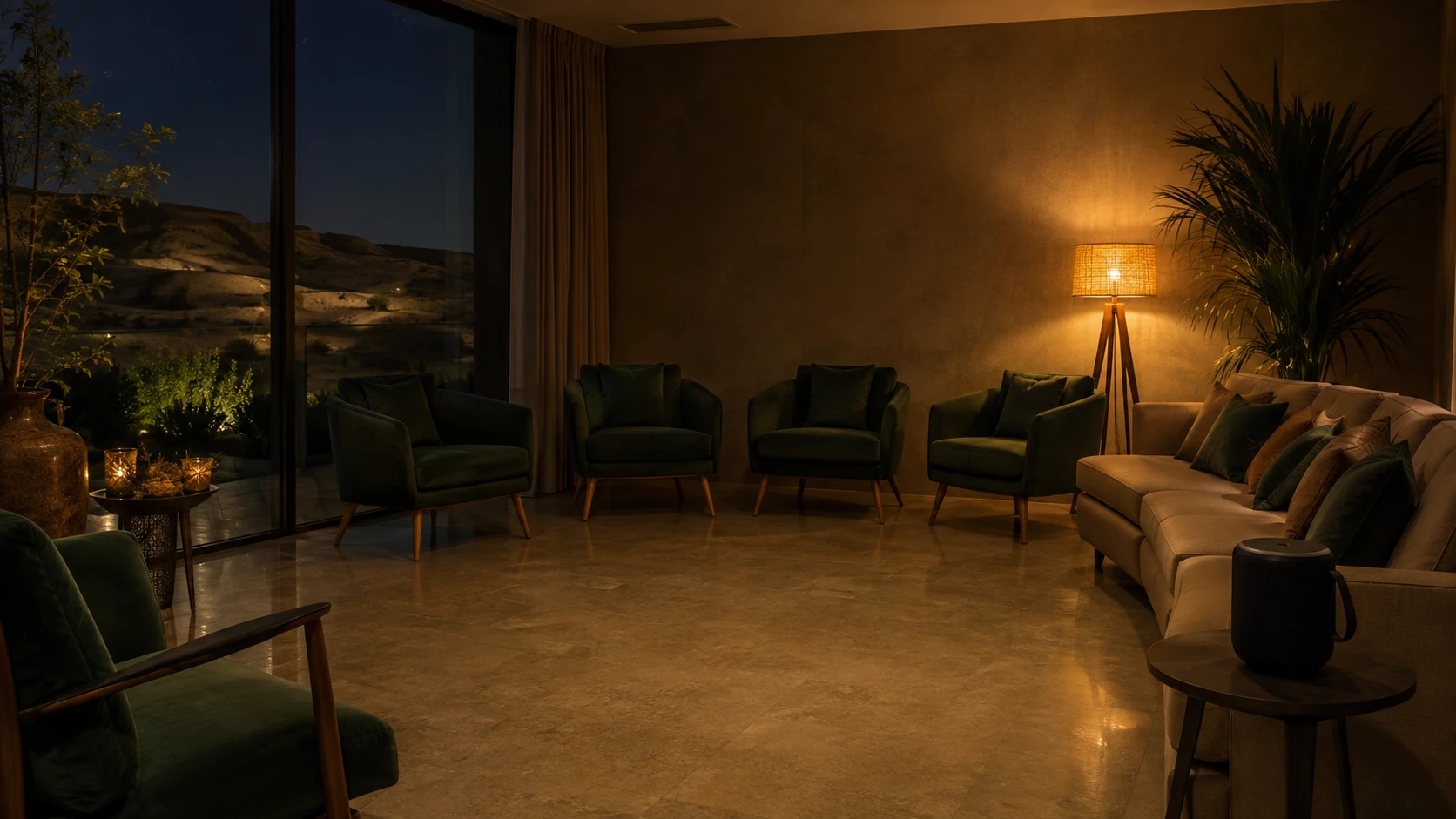
Guests are due at nine and the beer has been in the fridge since morning. Only then does someone notice there is nowhere in the living room to stand. That is the moment it becomes obvious that the venue shapes the evening just as much as the choice of performer.
Before locking a date with strippers in southern Israel, it is worth stopping on one plain question: where exactly is this happening. A villa, a zimmer, a city flat, a loft and a hotel room behave completely differently. Noise, privacy and room to move all change with the address, and the gap shows the second the music starts.
No single venue suits every evening. There is a venue that suits the size of the group, the hour and the type of show. That is what gets checked before a deposit goes out on a zimmer.
How much clear space you actually need
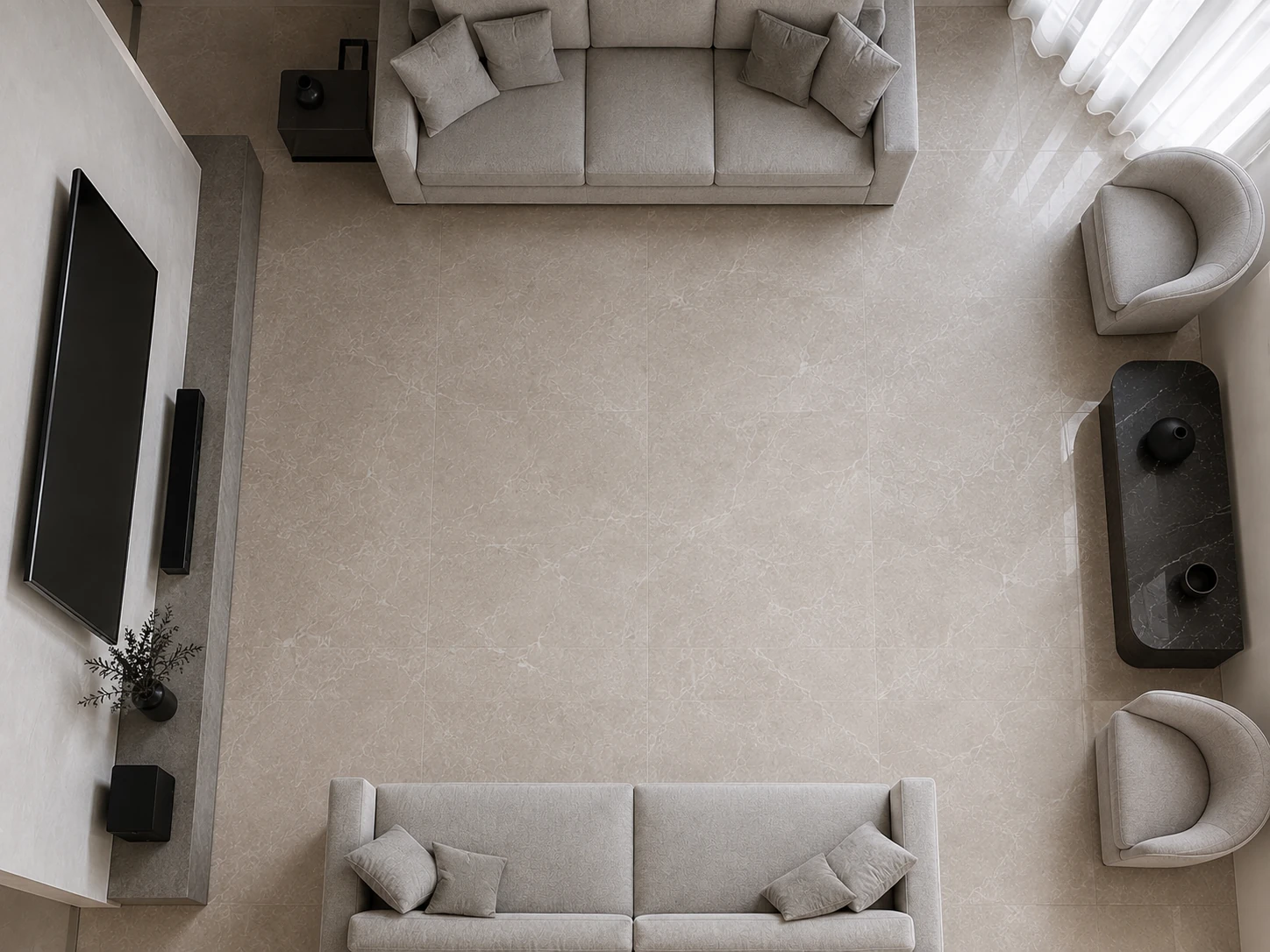
The common mistake is measuring the flat in square metres. What matters is one continuous stretch of clear floor. No coffee table in the middle, no chair shoved aside at the last second.
A patch of 2 by 2 metres covers a standard show. 3 by 3 already lets the performer work the whole room instead of getting stuck facing the front row. Below four square metres the show shrinks down to movement on one spot.
The floor
Parquet, marble and tiles all work well. A thick rug is the most common problem in flats. Heels catch in the pile and the movement breaks mid-step. The fix takes under a minute: roll the rug aside and clear a smooth surface. A wet floor beside a pool, or a balcony after rain, is simply unsafe. In that case the show moves indoors and the outdoors stays for the rest of the night.
The seating
The arrangement that works is a half circle rather than a closed ring. It leaves the stripper a wall behind her and a clear way out. It also lets every guest watch without turning their head all evening. A closed ring looks sensible on paper, but it traps the performer in the middle and leaves half the group looking at her back.
In an average living room that means 10 to 12 guests in comfort. Past that number some of the group ends up behind somebody else's shoulders. The second row drops out of the evening within a few minutes.
Ceiling height
Anyone booking a pole show on a portable pole should check the height before anything else. Most portable poles fit ceilings between 2.4 and 2.9 metres, and they need a solid ceiling and a level floor. A lowered plasterboard ceiling or a decorative beam across the room rules that corner out in advance. Then you pick another corner, or another show.
Five kinds of venue, and when each one works
The difference between them is not the level of luxury but the fit to the group and to the hour. The table sums up what actually changes the evening.
| Type of venue | Guests | Strength | Weak point |
|---|---|---|---|
| A private flat | up to 12 | available, familiar, close to everyone | neighbours through the wall, limited room |
| A villa with a large lounge | 20 to 30 | space, parking, no shared wall | usually out of town, needs booking early |
| A zimmer | 6 to 10 | full privacy, the atmosphere is already there | a small lounge, sometimes a low timber ceiling |
| A loft or event space | 30 and up | sound and lighting built in, a natural stage | coordination with the owner, a hard finish time |
| A hotel room or suite | 6 to 10 | convenient on holiday, in the centre of town | house rules, corridors, little floor to stand on |
A flat in town
Most of these evenings happen in an ordinary living room, which is exactly why this case needs the most attention. Two things decide it: the wall shared with the neighbours, and the hour you start. In an older building with thin walls it pays to start earlier and keep the volume down. Then nobody turns up halfway through with complaints.
The second point, easy to miss, is a side room. Even a small flat needs a room or a bathroom with a door that locks, for the costume change and for leaving a personal bag. Without it the preparation happens in front of everyone, and that kills the effect of the entrance.
A hotel room
A quiet evening in a hotel is a perfectly reasonable option, and every property has its own house rules about guests and hours. The simple route is to ask at reception what is allowed while booking the room. Finding it out at ten at night, from a clerk watching a whole group cross the lobby, is the harder version.
A suite or a holiday flat with a separate lounge will always work better than a standard room, purely because there is floor to stand on. A room with two beds pushed together has no centre, and the whole show gets squeezed into the strip between the bed and the wardrobe.
A zimmer or a villa outside town
Plenty of zimmers in the Negev and the Arava sit on open ground with no close neighbour. That removes the noise question almost entirely. In exchange, the address does not always land correctly in navigation apps. Send exact coordinates in advance rather than the name of a holiday complex.
In a villa, pick the room before the guests spread out. A lounge with one door, not a balcony open to the street, and not a room that everyone crosses on the way to the bathroom.
The thirty minutes before
The preparation itself is short. The list below covers almost every case, and you can work through it while the guests are still settling in.
- Clear a continuous 2 by 2 metre surface and push the coffee table to the wall
- Roll a thick rug aside and check the floor is dry
- Set the seating in a half circle, with a wall behind the performance area
- Check there is a power socket within 3 metres of the speaker
- Switch off the main lights and leave one soft source
- Keep a side room or a bathroom with a door that locks
- Move breakables and lit candles out of the area
- Agree with the group that nobody films without permission
Light and music without overcomplicating it
One portable speaker at moderate volume covers an ordinary living room. A system that is too strong shifts the problem to the neighbours instead of improving the evening. In a closed room it also makes it hard for guests to talk to each other.
The playlist can be left to the performer, who knows where the tempo should climb and where it should drop. Anyone who still wants control over the music should prepare a short list and agree it by phone before the event.
With lighting the rule is simple: one floor lamp or warm ambient light. Strong white light from the ceiling flattens everything and makes the room feel like a waiting area. Total darkness is a safety problem for someone moving in heels across an unfamiliar floor.
Neighbours, noise and rest hours
In Israel the accepted quiet hours run between 14:00 and 16:00 and between 23:00 and 07:00. On the nights before a day of rest they start later. Unreasonable noise in those hours counts as a nuisance, and that applies to any home event equally.
The practical answer is a timetable. Start the show between 21:00 and 22:30, close the windows facing the inner courtyard, and bring the speaker down after midnight. In a building where there has already been friction with the neighbours, hoping for the best is a poor plan. Move the evening to a villa or a zimmer.
Yard, roof and pool, when the evening moves outside
In the south it is tempting to take the show into the yard, and it does work nicely in the shoulder months. In summer the paving is still warm at ten at night. In winter a wind off the desert drops the temperature faster than expected. Keep an indoor plan ready even when the forecast looks completely clear.
The surface of the yard matters as much as its size. Artificial grass, gravel and interlocking stone with gaps between the pieces are all wrong for heels. A pool on the side calls for one simple agreement: nobody gets in the water during the performance. A roof terrace sounds excellent until it turns out that every neighbour around can see straight in. The privacy the large venue was chosen for then disappears at the exact moment the stripper walks in.
Dust is a subject of its own in the Negev. An evening after a hot dry day leaves a thin layer on every surface. A quick pass with a cloth over the chosen area saves a slippery floor and dirty clothes.
Who is responsible for the venue during the evening
Every group needs one person holding the logistics, and it is almost never the guest of honour. That person passes on the address and the hour, answers the phone, opens the gate and knows which room the show happens in.
The role sounds minor, and it is exactly what separates an evening that flows from fifteen minutes of confusion at the entrance. Worth settling the day before rather than in the middle of the night.
The entrance, the parking and the way in
A lot of the trouble happens outside rather than inside. A partial address and a gate code nobody remembers eat a quarter of an hour that should have belonged to the show.
What to send in advance: the full address with a house number, a gate code or a name on the intercom, a unit number, and the phone number of one person who will actually pick up.
With parking it pays to keep a space close by, especially in the coastal towns at weekends. The performer arrives dressed like any other guest, and the costume stays in the bag until the room is ready.
Boundaries settled beforehand, not along the way
One point should be clear to the whole group before the start. The programme is a dance performance for ages 18 and over, and it does not include intimate contact or sexual services. That is the frame, and it does not change because the mood in the room changes.
The same goes for filming. A phone that comes up mid performance without permission ruins the atmosphere for everyone, not only for the performer. The group agrees on it in advance.
What you do not need to prepare
Some of the preparations people plan in advance are simply unnecessary, and occasionally they get in the way.
- A stage or podium: a level floor is better and safer
- A lighting kit: one lamp does the job better than shifting colours
- A deep clean of the whole house: clearing the centre of the living room is enough
- A fixed pole: installed only when a pole show has been booked, never as a surprise
- Special refreshments: a bottle of water on the side is plenty
Matching the type of show to the venue
In a small living room, one stripper working solo will land better than three performers sharing four square metres. In a villa with an open lounge it is the other way round. Strippers in a group show fill the space, and without them the room looks empty.
An evening built around one central guest suits a VIP evening with several strippers, which needs more room and a longer lead time. Anyone who wants to see the line-up before deciding will find every profile in the full selection of performers.
Two questions already answered elsewhere on the site: what a professional show contains from the entrance to the finish, and what moves the price by type of show and number of performers.
What is different about venues in the south
There is more space here than in Gush Dan, and that shows exactly where this guide is looking. Private houses with a yard and a large lounge are common across the region. A zimmer half an hour out of town takes the noise question off the table before the planning even starts.
Anyone organising an evening in the capital of the Negev will find the details on the page for strippers in Beer Sheva. Zimmers in the desert and around the crater have their own page under strippers in Mitzpe Ramon. Holiday flats in the southernmost city are covered by the page on booking a stripper in Eilat.
In the tourist season in Eilat and along the Ashkelon and Ashdod coast it is worth coordinating earlier. Holiday flats go first, and the choice of venue narrows to whatever is left.
Before you close on a venue, six questions that keep coming back
How much clear floor does one show need?
A continuous surface of four square metres is the working minimum. Nine square metres already lets the performer move between the guests instead of staying on one spot.
Can a show happen in a hotel room?
Certainly, as long as the house rules allow guests at the hour that was set. A short conversation with reception at the time of booking saves surprises. A suite with a separate lounge is a better fit than a standard room.
What do you do about neighbours who are sensitive to noise?
Move the start earlier, close the windows facing the inner courtyard and bring the speaker down. In a building with thin walls it is better to move the evening to a villa or a zimmer.
Do you need a pole at home for pole dance?
Only if a pole show was booked. A portable pole needs a solid ceiling between 2.4 and 2.9 metres and a level floor, and without one the performance runs with no loss at all.
And what about phones and filming?
That gets agreed in advance. Filming is allowed only with explicit permission, and in most evenings the phones simply go to the side until the performance ends.
Where exactly does the performance stop?
The line is known in advance. This is entertainment for an audience aged 18 and over, it stops well before physical intimacy, and nothing of a sexual nature is on offer. The stripper controls the distance, and whoever respects that gets a better evening.
Checklist before you confirm the venue
- A continuous clear surface of at least four square metres, with no thick rug
- A wall behind the performance area and seating in a half circle
- A power socket within 3 metres of the speaker
- A side room or bathroom with a door that locks
- A start time that falls before 23:00 if the neighbours are close
- An exact address, a gate code and one contact who answers the phone
- Agreement across the group on the limits of the performance and on filming
Go through those seven lines the day before. Then nobody discovers at nine in the evening that the coffee table is still standing in the middle of the living room.
Ready to Book?
Contact us 24/7 — fast response, complete discretion.
Comments
Leave a Comment
Please log in to leave a comment.